







Search Results for: stainless steel filter
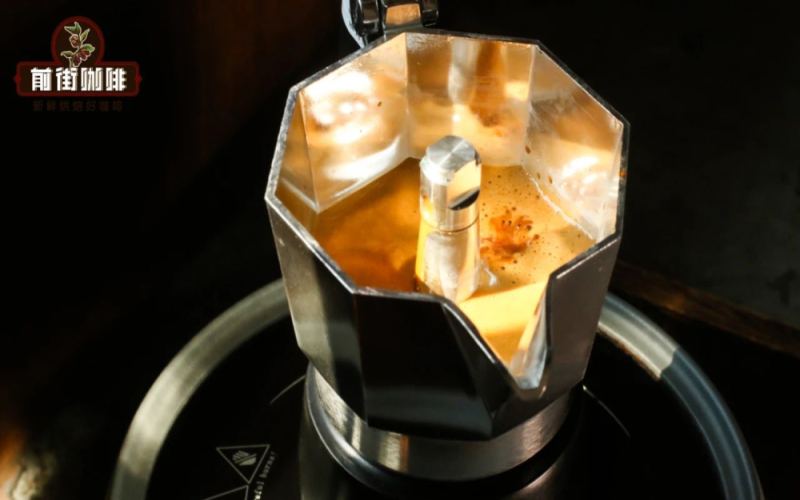
The Complete Guide to Moka Pot Cleaning and Maintenance: How to Properly Wash Aluminum and Stainless Steel Pots and Fix Oxidation and Blackening
Moka pots are convenient to use, but cleaning and maintenance involve quite a few finer points. The aluminum body easily reacts with cleaning agents, causing oxidation and blackening, and if the gasket and filter screen are not removed and cleaned for a long time, a large amount of coffee liquid and grounds will remain, affecting the seal and flavor. This article provides a detailed breakdown of the daily cleaning steps for moka pots, the differences in cleaning aluminum versus stainless steel pots, the key points for removing and reinstalling the gasket and filter screen, and the white vinegar and lemon juice repair method after oxidation and blackening. No matter which material you use, mastering these details can extend the life of the pot and make every cup of coffee purer. Front Street Coffee also offers practical reminders in the article. [more…]
How to Choose a Pour-Over Coffee Filtration Method: A Full Analysis of the Taste Differences, Pros, and Cons of Paper Filters, Stainless Steel Filters, and Cloth Filters
People who buy their own beans, grind them, and brew pour-over coffee often face a choice when it comes to filtration: should they use disposable paper filters, reusable stainless steel mesh filters, or flannel cloth filters? Each of the three methods has its own adherents, and each directly affects the clarity, body, and aroma expression of the coffee in the cup. This article starts from material characteristics, ease of use, taste differences, and maintenance points, comparing the pros and cons of paper filters, metal mesh filters, and cloth filters one by one, and offers selection suggestions for different taste preferences. If you often drink Front Street Coffee's medium-to-dark roasted beans, or prefer light-roasted beans with floral and fruity notes, understanding these filtration details can help you adjust your brewing direction more accurately and find the cup of coffee that suits you better. [more…]
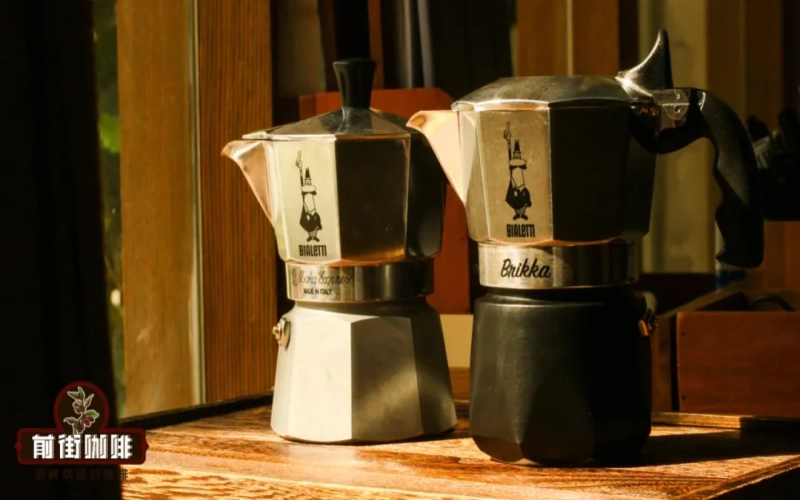
How to Deal with Oxidation and Blackening of a Moka Pot? Cleaning, Maintenance Methods, and Repair Tips for Aluminum and Stainless Steel Pots
Front Street Coffee has shared quite a few tips on using a moka pot and methods for making coffee with it, yet we've never systematically talked about cleaning and maintenance. As a result, the same question keeps popping up in our messages: what should you do when your moka pot has "gone dark"? So-called darkening refers to the pot's body turning black in spots due to oxidation, which often stems from improper cleaning after use. In fact, cleaning and maintenance are just as important as brewing—maintain your moka pot well and it will last a long time; maintain it poorly and not only will its lifespan be shortened, but it will also absorb odors and affect the flavor of your coffee. Today, Front Street Coffee will explain in detail the correct way to clean a moka pot, the key points of maintenance, and how to repair a moka pot that has already oxidized and turned black. [more…]
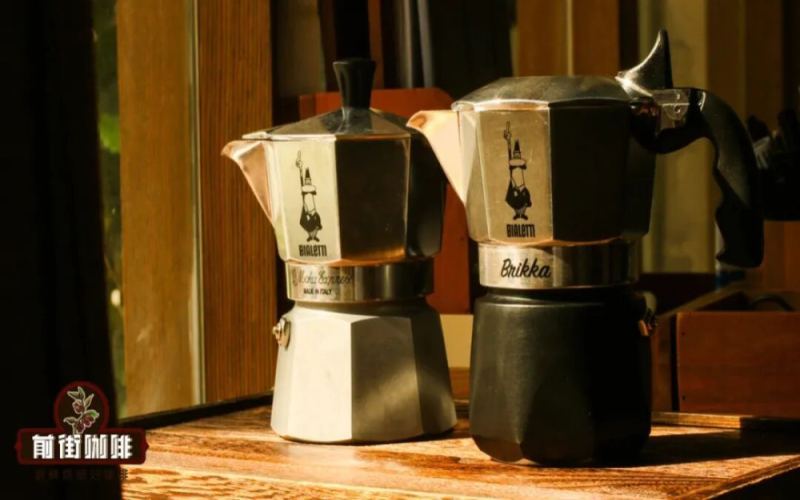
Complete Guide to Moka Pot Cleaning and Maintenance: Proper Cleaning, Gasket Care, and Oxidation Repair for Aluminum and Stainless Steel Pots
Many coffee enthusiasts are familiar with using a moka pot and the brewing techniques involved, but how to properly clean and maintain it afterward is often overlooked. Although Front Street Coffee has shared a great deal of content related to moka pots, it has never systematically covered the topic of cleaning, and as a result, the back office keeps receiving requests for help with pots that have "turned black." What is called blackening is actually spotting caused by oxidation, mostly triggered by improper cleaning. With proper care, a moka pot can last for many years; without it, not only is its lifespan shortened, but it will also absorb odors that affect the flavor of the coffee. This article explains the key points of cleaning by material, teaches you how to disassemble and wash the gasket and filter screen, how to repair an already oxidized pot body, and also recommends Front Street Coffee beans suitable for moka pots. [more…]

A Beginner's Guide to Pour-Over Coffee: Equipment Recommendations, Brewing Step-by-Step Guide, and Cost-Effective Everyday Beans
The appeal of pour-over coffee lies in the fact that everyone can brew a flavor that is uniquely their own. This article is aimed at home enthusiasts and small coffee shops, and provides a systematic overview of all the equipment needed to get started with pour-over—from gooseneck kettles, drippers, and grinders to filter papers, digital scales, thermometers, and carafes—offering an analysis of the pros and cons of specific brand models along with purchasing advice, and including a complete eight-step brewing tutorial. Finally, it recommends several highly cost-effective Front Street single-origin coffee beans, at a cost of only about six yuan per cup, making them ideal for daily practice and home enjoyment. [more…]
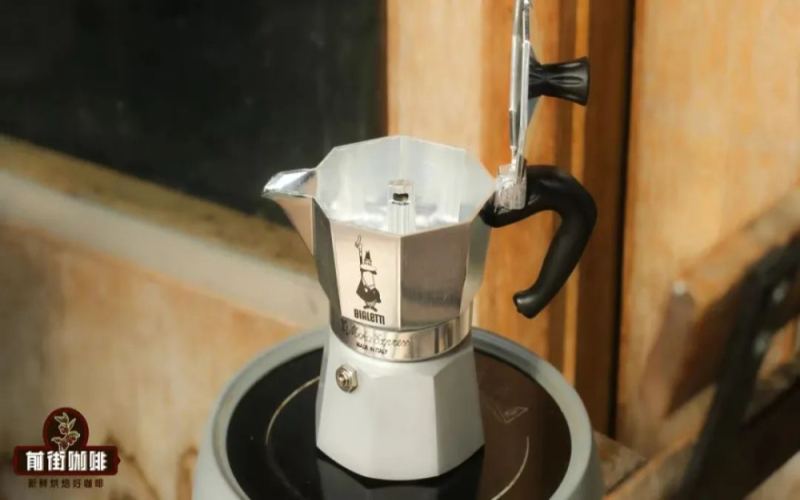
A Complete Guide to Moka Pot Brewing Questions: Cleaning and Maintenance Methods and a Comparison of Aluminum vs. Stainless Steel Materials
As a traditional Italian coffee apparatus, the Moka pot is favored by enthusiasts for its simple operation and rich flavor. This article systematically organizes common questions about the Moka pot's brewing principles, grind size and tamping key points, water temperature control, and heat adjustment, and explains cleaning and maintenance methods in detail. At the same time, it compares the advantages and disadvantages of aluminum and stainless steel materials, and answers various questions that arise during use. The article also combines recommendations from the Front Street Coffee brand to provide coffee bean selection suggestions for readers pursuing a full-bodied or balanced flavor, helping you easily master Moka pot extraction techniques. [more…]
Complete Guide to Moka Pot Cleaning and Maintenance: Practical Methods to Prevent Aluminum Pot Oxidation and Blackening, and Replace Gaskets to Extend Service Life
The moka pot is a staple piece of equipment in many coffee lovers' homes, but if daily cleaning isn't done carefully enough, the aluminum body can easily oxidize and turn black, and the gasket and filter screen are often overlooked. This article explains in detail the key cleaning points for aluminum and stainless steel moka pots, walks through the steps for removing and cleaning the gasket and filter screen, their installation orientation, and replacement intervals, and offers repair solutions using white vinegar or lemon juice soaks for pots that have already oxidized. Mastering these methods not only keeps your coffee's flavor pure, but also effectively extends the moka pot's lifespan, letting it reliably brew every cup of coffee for you for years to come. [more…]
Moka Pot Brewing Troubleshooting: How to Choose Between Aluminum and Stainless Steel Models, and How to Do Daily Cleaning and Maintenance
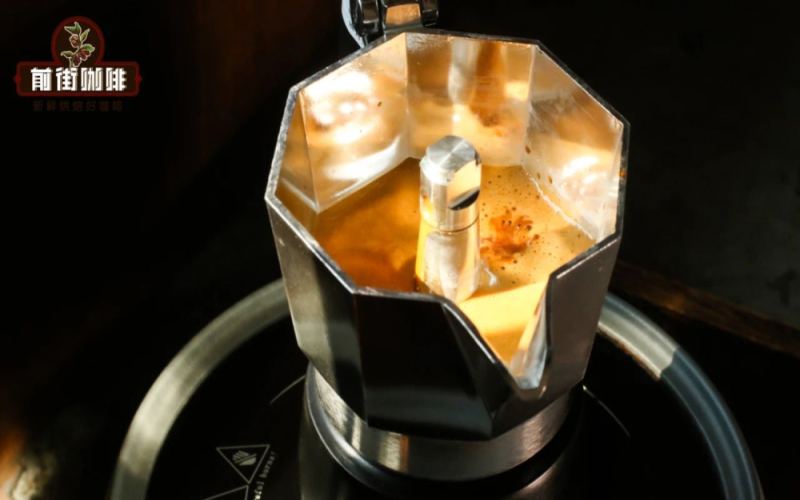
The moka pot is a common tool for many coffee lovers brewing espresso at home, but during operation, problems such as poor flow, overly bitter or sour taste, or almost no crema are often encountered. This article focuses on the practical use scenarios of the moka pot, organizing the complete process from material selection, heating methods to extraction parameters and post-brew cleaning, and provides troubleshooting ideas for common faults. The article also combines the production experience of Front Street Coffee to explain the key points of coordination among coffee grounds amount, water amount, grind size, and heat level, helping readers more consistently make a cup of rich-bodied moka pot coffee. [more…]
The Complete Guide to Moka Pot Cleaning and Maintenance: Avoiding Oxidation Blackening and Gasket Replacement Tips
Although the moka pot is small, cleaning and maintenance require real attention to detail. Many enthusiasts casually rinse it after use, only to find oxidized black spots on the body—not only does this affect its appearance, but it can also give the coffee an off-flavor. This article systematically covers the correct cleaning methods for aluminum and stainless steel moka pots, the key points for removing and reinstalling the gasket and filter screen, and how to repair a pot that has already "turned black." At the same time, Front Street will also recommend coffee beans suitable for moka pot extraction, so you can master everything from equipment maintenance to the flavor in the cup in one go. [more…]
A Beginner's Guide to Home Pour-Over Coffee: Equipment Selection, Key Techniques, and Front Street Coffee's Everyday Bean Recommendations
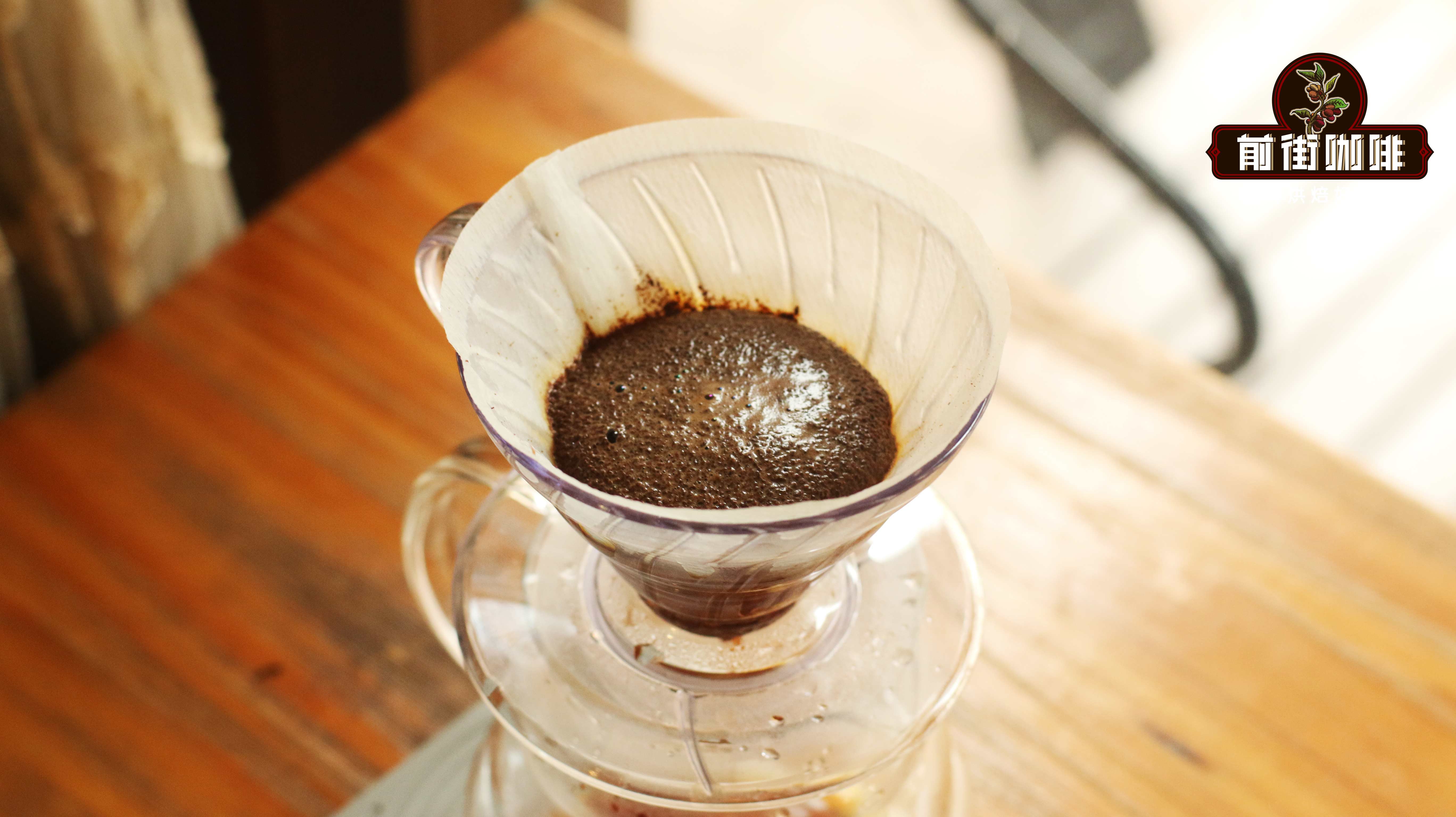
To brew a clean, well-layered pour-over coffee at home, you don't actually need complicated equipment, but every step affects the final taste. From grinders, digital scales, and drippers to filter papers, gooseneck kettles, and thermometers, this article walks through the pour-over gear suitable for home use in the order of the brewing process, and gives specific brand models and reference prices. At the same time, for everyday drinking needs, it recommends a number of single-origin beans with distinct styles from the Front Street Coffee daily drinking series, covering different flavor directions such as rich and full-bodied, floral, nutty, and chocolatey, making it easy for coffee lovers to choose according to personal preference. [more…]
The Complete Process of Making Fancy Coffee: From Grinding and Brewing to Milk Steaming and Latte Art Techniques
Fancy coffee is a leisure drink beloved by many, but its preparation process is not complicated. This article breaks down, step by step, the practical methods for making fancy coffee at home—from grinding coffee beans, brewing coffee, frothing milk, to pouring latte art and blending—and reminds you of easily overlooked details such as grinding temperature and the best time to drink it. It also recommends Front Street Blue Mountain coffee, which is suitable for making fancy coffee, as well as practical equipment such as hand-cranked coffee grinders, electric coffee grinders, French presses, siphon pots, milk frothing pitchers, and coffee cups, helping coffee lovers easily enjoy the pleasure of homemade fancy coffee. [more…]
Pour-Over Coffee Basics for Beginners | What Pour-Over Coffee Equipment Do Coffee Beginners Need to Prepare? What Roles Do the Coffee Pot, Coffee Grinder, Powder Sifting Net, and Coffee Dripper Play?
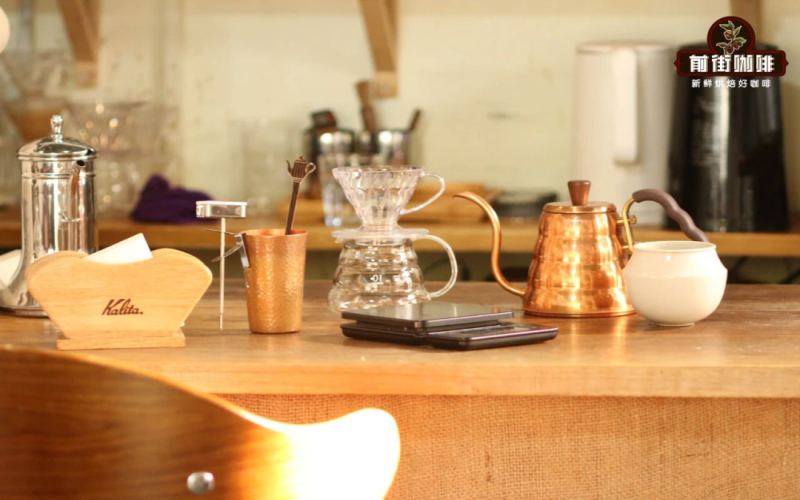
With the rise of the third wave of specialty coffee, more and more people are paying attention to coffee, including how to make a cup of coffee. Front Street Coffee believes that if you want to make coffee at home, the simplest option is pour-over coffee, since the equipment you buy isn't as bulky as an espresso machine and [more…]
From Choosing Equipment to Pouring Technique: A Complete Guide to Pour-Over Coffee Basics, Water Temperature, Grind Size, and Coffee-to-Water Ratio
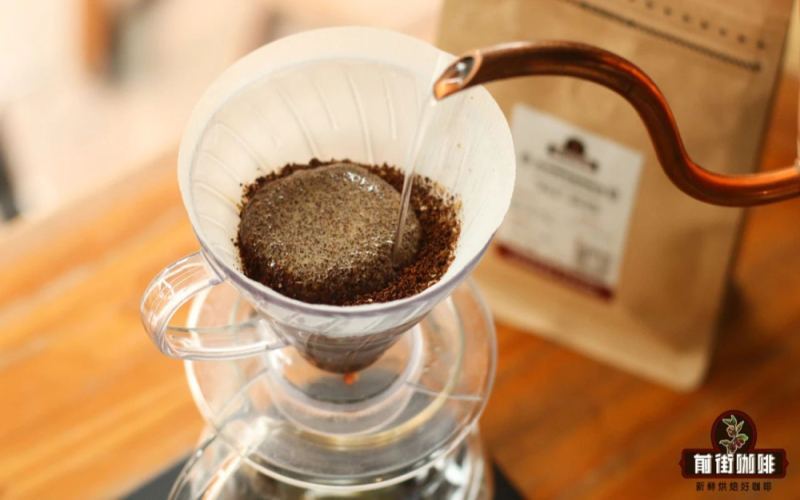
For making an authentic single-origin coffee at home, pour-over is often the lowest-barrier and quickest option to master. The equipment isn't as bulky or expensive as espresso machines, and as long as you grasp a few key parameters, your results will gradually become consistent. Drawing on the hands-on experience of Front Street Coffee, this article systematically lays out the equipment setup needed for pour-over coffee, including guidance on choosing a gooseneck kettle, dripper, grinder, thermometer, digital scale, filter paper, fines sifter, and server; it also breaks down how six major variables—water temperature, grind size, coffee-to-water ratio, water quality, bean freshness, and pouring technique—affect flavor, and uses a three-pour method as an example to explain how to control blooming, pouring rhythm, and extraction time, helping enthusiasts build a reproducible brewing framework. [more…]
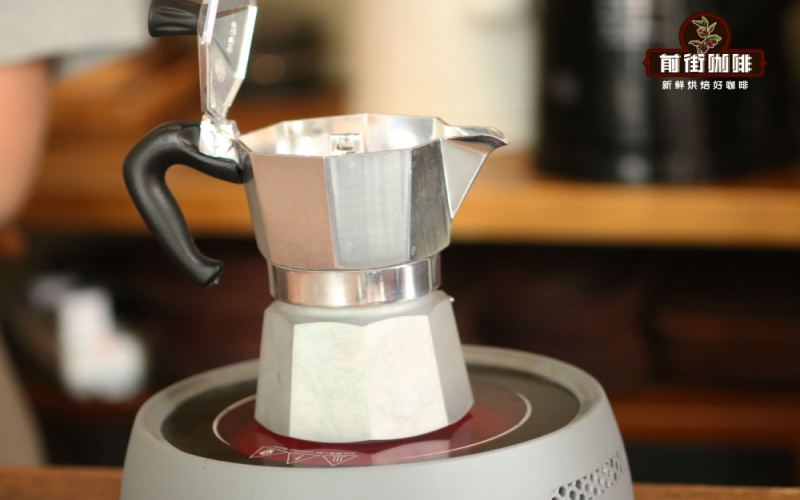
Will a moka pot explode? From principles to operational details, teaching you to safely brew rich coffee
The moka pot, with its unique pressurized extraction method, can brew rich coffee close to espresso, making it a favorite among home coffee enthusiasts. However, because it involves pressure, many people have doubts about its safety. In fact, as long as you master the correct operating steps, these problems can be completely avoided. Starting from the working principle of the moka pot, this article will explain in detail the suitable coffee bean choices, specific recommendations for the Front Street Coffee brand, and twelve usage details that must be noted—from preparing a new pot, water level control, and grounds filling, to gasket replacement, how to tighten the pot body, suitable heat sources, and troubleshooting. Whether you use an aluminum alloy or stainless steel model, these practical suggestions can help you avoid risks and consistently produce moka coffee with a rich layer of crema. [more…]
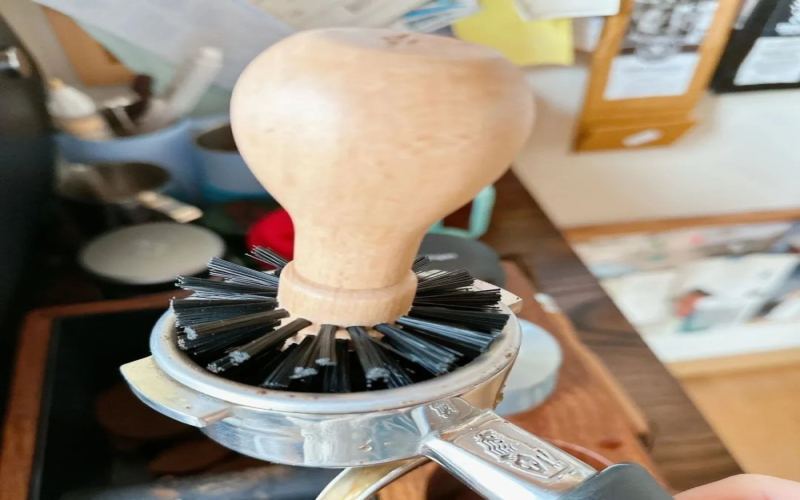
How many tools does a good cup of coffee really require? A closer look at the coffee accessories that tend to sit idle
As the saying goes, "To do a good job, one must first sharpen one's tools." Many coffee enthusiasts, when scrolling online and coming across various functional coffee gadgets, are often drawn in by their good looks and labels like "must-have神器" and "extraction aid," and can't resist adding them to their shopping carts. But after buying them and bringing them home, they discover that most of these things end up as "beautiful junk." To make a delicious cup of coffee, how many tools do you actually need? Does having more complete equipment and more professional gear make coffee taste better? This article reviews eight types of auxiliary tools—portafilter basket cleaning brushes, automatic portafilter cleaners, portafilter basket storage racks, portafilter basket tamping aids, portafilter scale stands, automatic drip bag brewing machines, small stainless steel bean hoppers, and filter paper presses—analyzing their practicality and their uselessness one by one, to help you avoid unnecessary expenses. [more…]

A Century-Old Thai Coffee House's Enduring Spirit: Traditional Brewing Craft and the Generational Legacy of a Single Cup of Coffee
As the specialty coffee wave sweeps the globe, with pour-over, espresso, and golden cup extraction dominating the conversation, is there still anyone willing to pause for a cup of the most traditional coffee? In Pathum Thani Province, Thailand, a century-old café named Zhang Lirong quietly tells a different kind of coffee story through a single stainless steel coffee pot, a cheap drip filter spoon, and three generations of perseverance. There are no specialty beans here, no intricate techniques—only charcoal-roasted Robusta, a humble menu annotated in Teochew dialect, and the warmth of a ten-baht cup. This article takes you inside this century-old Siamese establishment to experience the cultural heritage that transcends flavor behind traditional brewing methods, and to glimpse similar steadfast traditions such as Hong Kong charcoal-roasted coffee. [more…]

Siphon, V60, and Moka Pot Compared: Which Brewer Produces Better-Tasting Coffee?
The same coffee beans, extracted with different brewing devices, can present wildly different flavor profiles. Through practical testing, this article compares three brewing methods—the siphon, the V60 dripper, and the moka pot—and analyzes the taste characteristics and suitable audiences of each. Whether you prefer light and clean or rich and full-bodied, you can find a device that suits you. The article also shares cupping feedback on Front Street Coffee beans in two flavor profiles, Colombian and Mandheling, as well as a practical little tip for choosing a moka pot to help you avoid pitfalls. [more…]
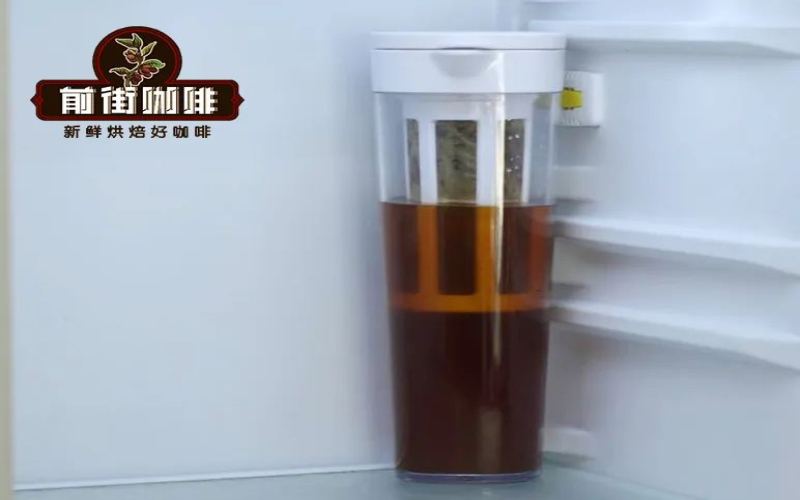
A Complete Guide to Iced Pour-Over, Cold Brew, and Cold Drip Coffee: Brewing Techniques and Storage Times
After the summer solstice, iced coffee becomes the focus of discussion among coffee enthusiasts. Drawing on community opinions, this article systematically organizes the key techniques for making three types of iced coffee: iced pour-over, cold brew, and ice drip. The content covers calculating coffee-to-water ratios, grind size recommendations, adjusting ice quantity, and the optimal drinking window and storage limits for cold brew and ice drip. Front Street also provides specific parameter references for each type of coffee to help you make iced coffee with clear flavor and a full body at home. [more…]
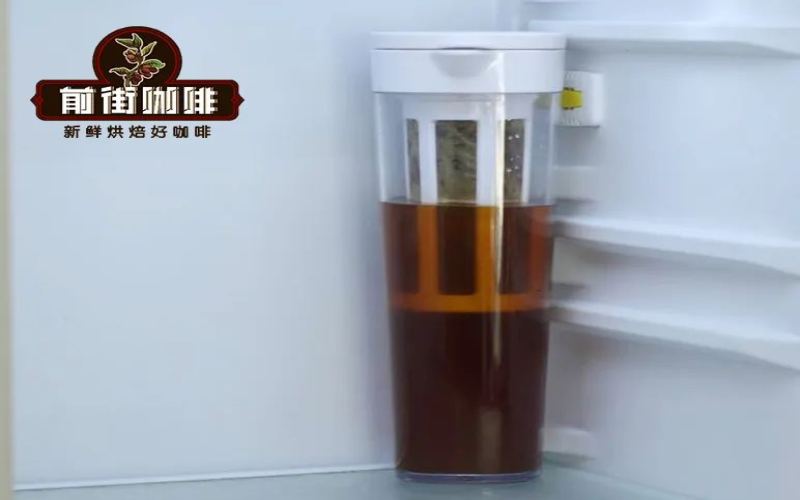
Iced Coffee Recommendations | How Can Coffee Newbies Make Better Iced Pour-Over, Cold Brew, and Ice Drip Coffee? How Long Can Cold Brew and Ice Drip Coffee Be Stored?
After entering the summer solstice, the hottest topic in the enthusiast chat groups is none other than #HowToMakeIcedCoffeeThatTastesGood, with everyone sharing their tips for making iced coffee with each other every day. In this article, Front Street has combined some enthusiasts' views and put together some tips for making iced pour-over coffee, iced drip coffee, and cold brew coffee taste even better! [more…]
A Detailed Guide to the Essential Pour-Over Coffee Equipment Checklist and Brewing Key Points for Beginners
What equipment do you need to prepare to make a delicious pour-over coffee at home? And what key points should you master during brewing? This article starts with equipment such as the pour-over kettle, dripper, grinder, thermometer, digital scale, filter paper, sifting mesh, and server, introducing one by one the mainstream choices in each category and Front Street Coffee's experience using them. It then explains six aspects: water temperature, grind size, coffee-to-water ratio, water quality, coffee beans, and brewing technique, helping beginners get started quickly and produce consistent results. [more…]